History of the Institute
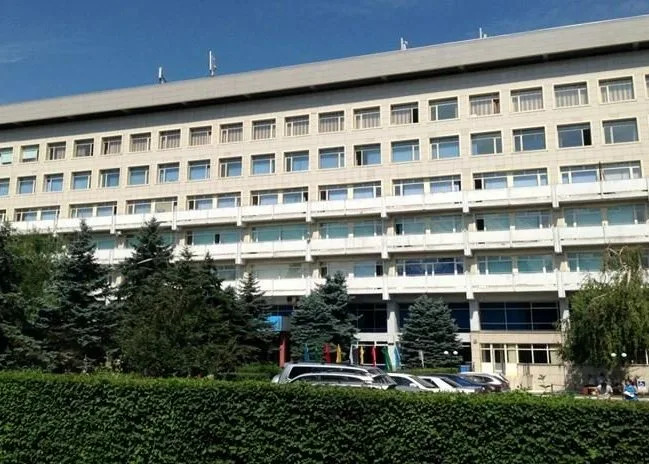
On February 14, 1933, by the resolution of the Presidium of VASKhNIL, the Kazakh Research Institute of Animal Husbandry was established on the basis of the Almaty branch of VASKhNIL and the material and technical facilities of the "Kastek Zonal Experimental Station for Sheep Breeding".
During the first three five-year plans since its establishment, the Institute became a major Republican scientific center coordinating research in the field of animal husbandry. By the mid-1940s, the Institute was already conducting large-scale research, and its structure included departments of: fine-wool and fat-tailed sheep breeding; dairy and beef cattle breeding; horse and camel breeding; pig breeding; feeding of agricultural animals; field and meadow forage production; pasture improvement; economics and standardization of animal husbandry; perennial grass seed production; laboratories of poultry farming; acclimatization and ecology; physiology of reproduction and artificial insemination of agricultural animals; analysis of milk, meat and wool; service dog breeding; feed preparation technology.
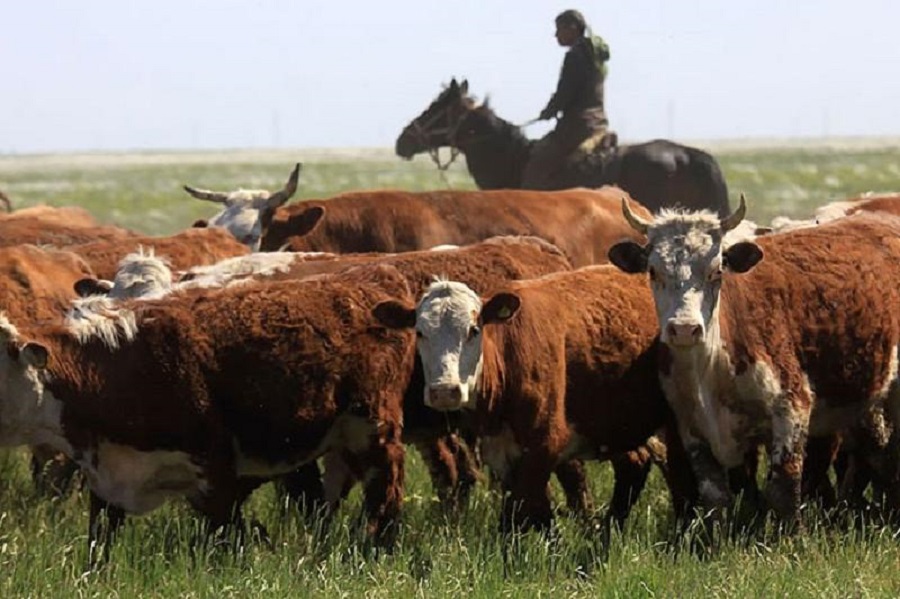
In the postwar years, specifically from 1946 to 1952, Institute scientists developed four breeding achievements: the "Kazakh Fine-Wool" sheep breed, the "Alatau", "Kazakh White-Headed" and "Aulieatinsk" cattle breeds. In addition, a population of dairy cattle was established in the northern regions of Kazakhstan based on the Red Steppe breed.
In accordance with the Resolution of the Council of Ministers of the Kazakh SSR dated September 30, 1974 (No. 518), the decision of the Board of the State Committee on Science and Technology under the Council of Ministers of the USSR dated August 13, 1973 (No. 50), and the order of the Ministry of Agriculture of the Kazakh SSR dated November 10, 1974 (No. 970), the Institute was renamed to the "Kazakh Scientific Research Technological Institute of Animal Husbandry". The reorganization took place on the basis of the division of one of the oldest scientific institutions of the republic: the "Kazakh Research Institute of Animal Husbandry", founded during the second five-year plan.
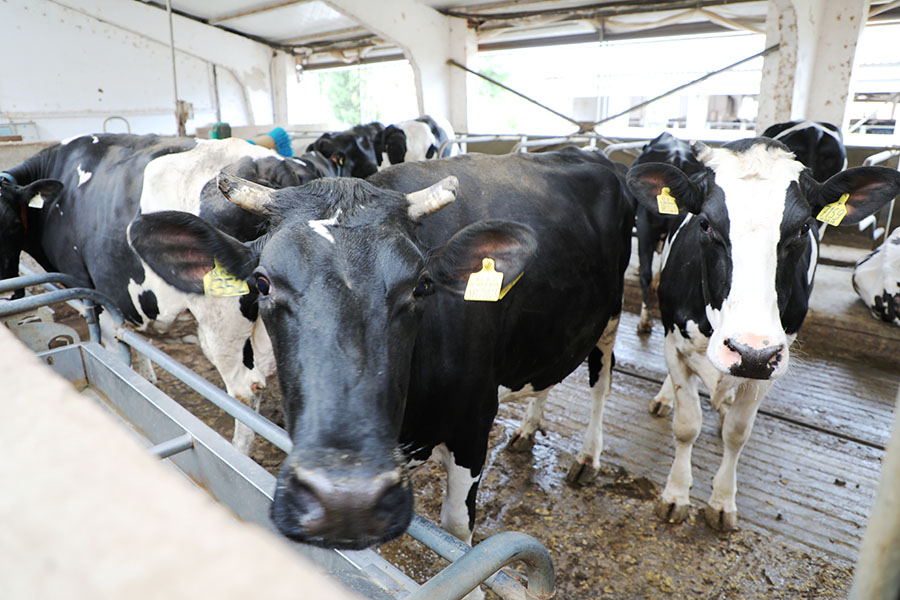
The Kazakh SRTIAH comprised departments of: dairy cattle technology, beef cattle technology, dairy cattle selection and breeding, beef cattle selection and breeding, as well as sectors of: domestic and imported cows, reproduction and artificial insemination, feeding of agricultural animals, feed preparation technology, and pig farming technology.
Institute scientists developed the theoretical foundations of breeding cattle, sheep and goats, camels, horses, pigs and poultry in various natural, climatic and ecological zones of Kazakhstan, new methods of selection and ways of breeding evaluation of animals, technologies of their feeding and maintenance, scientific foundations of improving the creation and use of pastures, production, storage and processing of livestock products. Unique breeds, types and lines of agricultural animals and poultry were created.
By the Government Resolution of the Republic of Kazakhstan dated December 13, 2002, No. 1309, on the basis of 6 research institutes ("Kazakh SRTIAH", "Kazakh SRI of Sheep Breeding", "Kazakh SRI of Poultry Farming", "Kazakh SRI of Forage Production and Pastures", "North Kazakhstan SRI of Livestock and Veterinary Medicine", "Kazakh SRI of Veterinary Science") and 5 research veterinary stations ("Kostanay RIVS", "Karaganda RIVS", "West Kazakhstan RIVS", "South Kazakhstan RIVS", "Zhambyl RIVS"), the Republican State Enterprise "Scientific and Production Center for Livestock and Veterinary Medicine" of the Ministry of Agriculture of the Republic of Kazakhstan was established.
Despite all organizational challenges, Institute scientists continued their scientific work on improving the breeding and productive qualities of agricultural animals, as well as developing various technologies for livestock maintenance and feeding.
In 2007, by the Government Resolution of the Republic of Kazakhstan dated May 22, 2007 No. 409, the RSE "Scientific and Production Center for Livestock and Veterinary Medicine" was reorganized through merger with JSC "KazAgroInnovation", and by the decision of the Board of Directors of JSC "KazAgroInnovation" dated September 7, 2007, No. 5, it was transformed into LLP "Scientific and Production Center for Livestock and Veterinary Medicine", which in 2008 was re-registered as LLP "Kazakh Research Institute of Livestock and Fodder Production".
The structural reorganization led to the transformation of sectors into departments: dairy cattle breeding (head of department M.A. Kineev), beef cattle breeding (Sh.A. Zhuzenov); horse breeding (V.G. Sizonov), poultry farming (A.K. Moldazhanov); livestock production technology (K.Zh. Amanzholov); fodder and pastures (K.Sh. Smailov); seed production and selection of fodder crops (B.A. Ismailov), feed preparation and feeding of agricultural animals (N.A. Zhazylbekov).
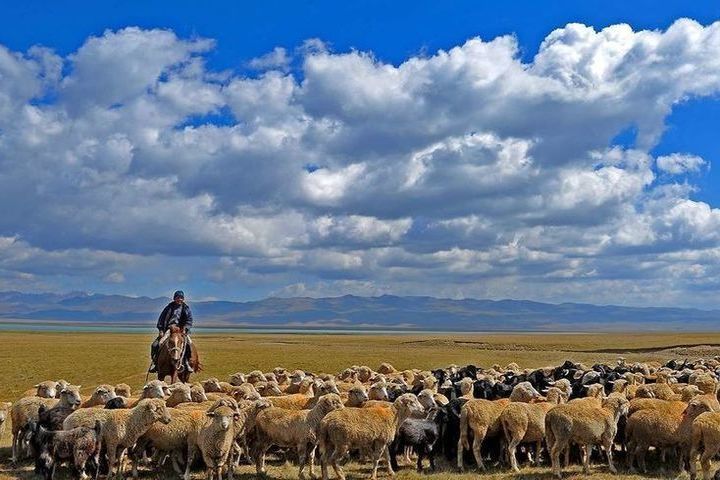
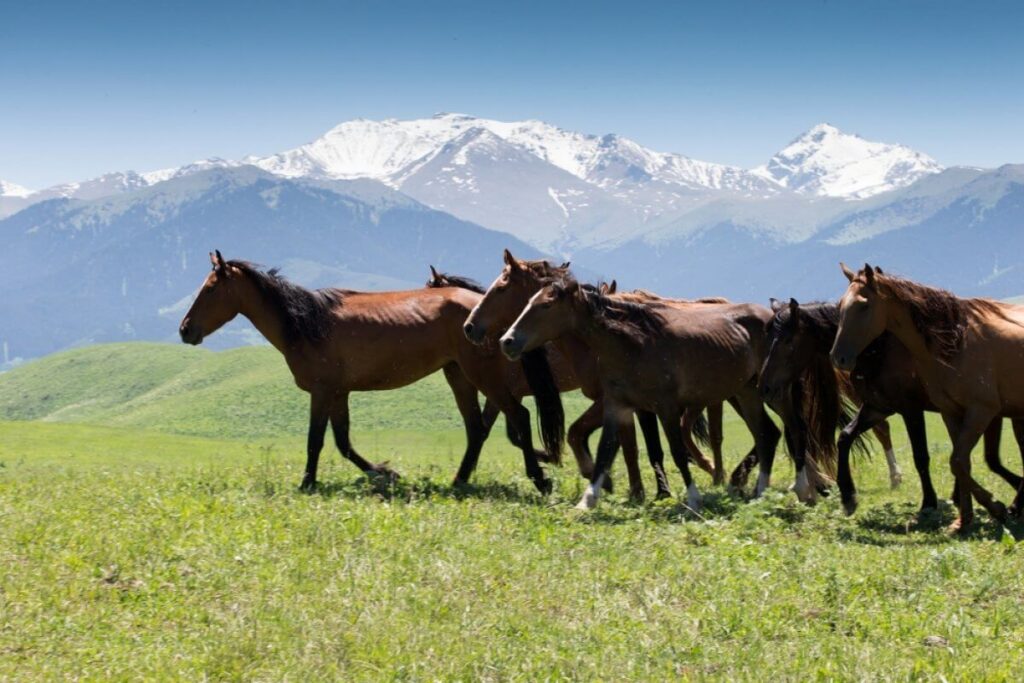
Over the period of the Institute's operation (1933–2033), breeding scientists have developed 4 breeds and 4 intra-breed types of cattle, 2 breeds and 3 intra-breed types of horses, 12 breeds and more than 20 intra-breed types of sheep. In total, approximately 100 stud lines of sires have been approved across all types of livestock, dozens of new varieties of fodder crops have been developed, as well as hundreds of various recommendations, instructions, methods, techniques, approaches, rules and standards for various branches of animal husbandry, as evidenced by documents on breeding achievements and inventions.
In recent years, in the direction of digitalization development, Institute scientists have created for the first time in the history of pedigree livestock breeding the "Information-Analytical System of Large-Scale Selection in Cattle Breeding", designed to electronically accumulate zootechnical events, trace the pedigree of each animal, and process the data obtained.
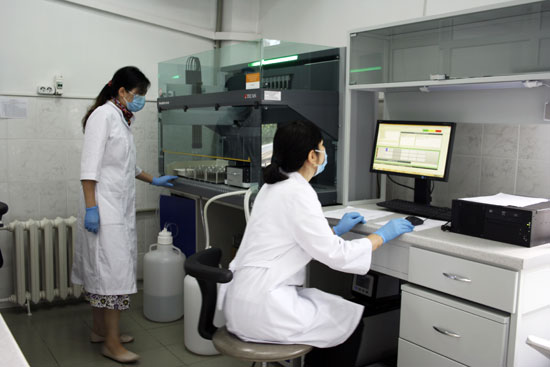
Thanks to molecular genetic research, Institute scientists were able to establish the genetic profile of all cattle breeds raised in the country, which made it possible to identify animals, firstly, by breed affiliation, and secondly, by origin.
During the period of 2021–2023, Institute scientists genotyped all productive horse breeds, as well as the domestic "Kostanay" breed. As a result, average values of minor allele frequency, linkage disequilibrium indicators (r²), average values of the inbreeding coefficient, distribution of inter-group and intra-group genetic distances (D) were established, and phylogenetic trees were constructed.
During the same period, Institute geneticists genotyped Kazakh populations of dromedary and Bactrian camels, as well as first (F1) and second (F2) generation hybrids using high-density SNP chips (196K), which made it possible to determine specific markers and identify the genotypic profile of milk and meat productivity of camels.
Based on the accumulated material, Institute staff using BLUP methodologies developed modern methods of index evaluation of cattle breeding value meeting world requirements, linear standards of conformation for dairy and beef cattle populations, and a system for maintaining reliable breeding records.
The Institute also developed an interactive map "Management of Pasture Resources Using GIS Technologies" covering 14 regions of the republic, as well as the "Concept for Providing Agricultural Animals with Feed (Feed Balance) for 2020–2025", which identifies the needs of animals for various types of feed, surplus and deficit of pasture lands (Karymsakov T.N., Torekhanov A.A.).
Directors of the Institute of Livestock who led its team in different periods: A. Antomonov (1933–1934); K.M. Nikolaev (1935–1940); S.B. Tasbulatov (1935–1940); B.Kh. Sadykov (1940–1941; 1945–1946); V.A. Balmont (1941 and 1950–1952); L.E. Butte (1942); I.G. Mikhaev (1942–1945); Kh.N. Nauyrzbaev (1946–1948); T. Kultebaev (1949–1950); A.V. Sysolyatin (1952–1954); A.E. Yelemanov (1954–1961); A.S. Smagulov (1961–1962); K.U. Medeubekov (1962–1977); B.S. Nurpeisov (1977–1978); V.A. Vernigor (1978–1993); A.M. Meldebekov (1993–2002); A.R. Sansyzbai (2002–2004); A.A. Torekhanov (2004–2008; 2011); Sh.A. Alpeisov (2008–2009); K.P. Tadzhiev (2009–2011); A.M. Ombaev (2012–2018); N.Ya. Tlevlesov (2018–2021); A.A. Torekhanov (2021 – present).