Veterinary and Sanitary Inspection of Bee Colonies
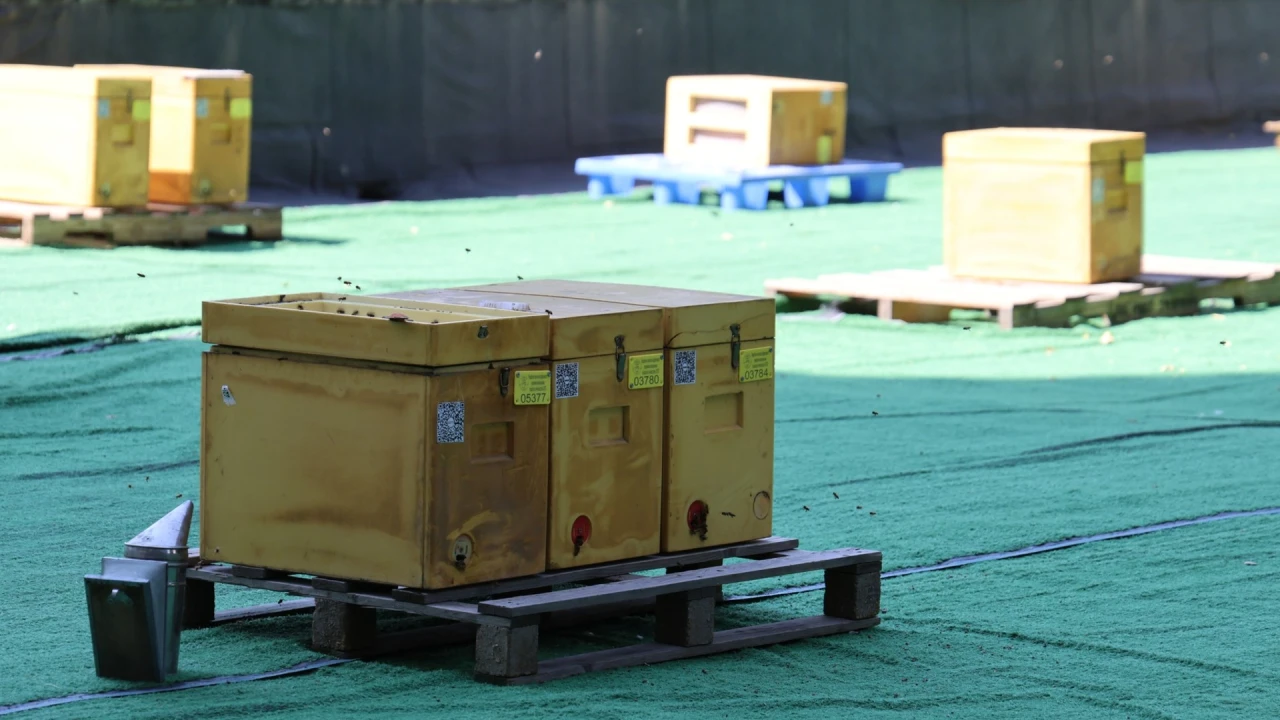
Veterinary and Sanitary Inspection of Bee Colonies at the Kazakh Research Institute of Livestock and Fodder Production
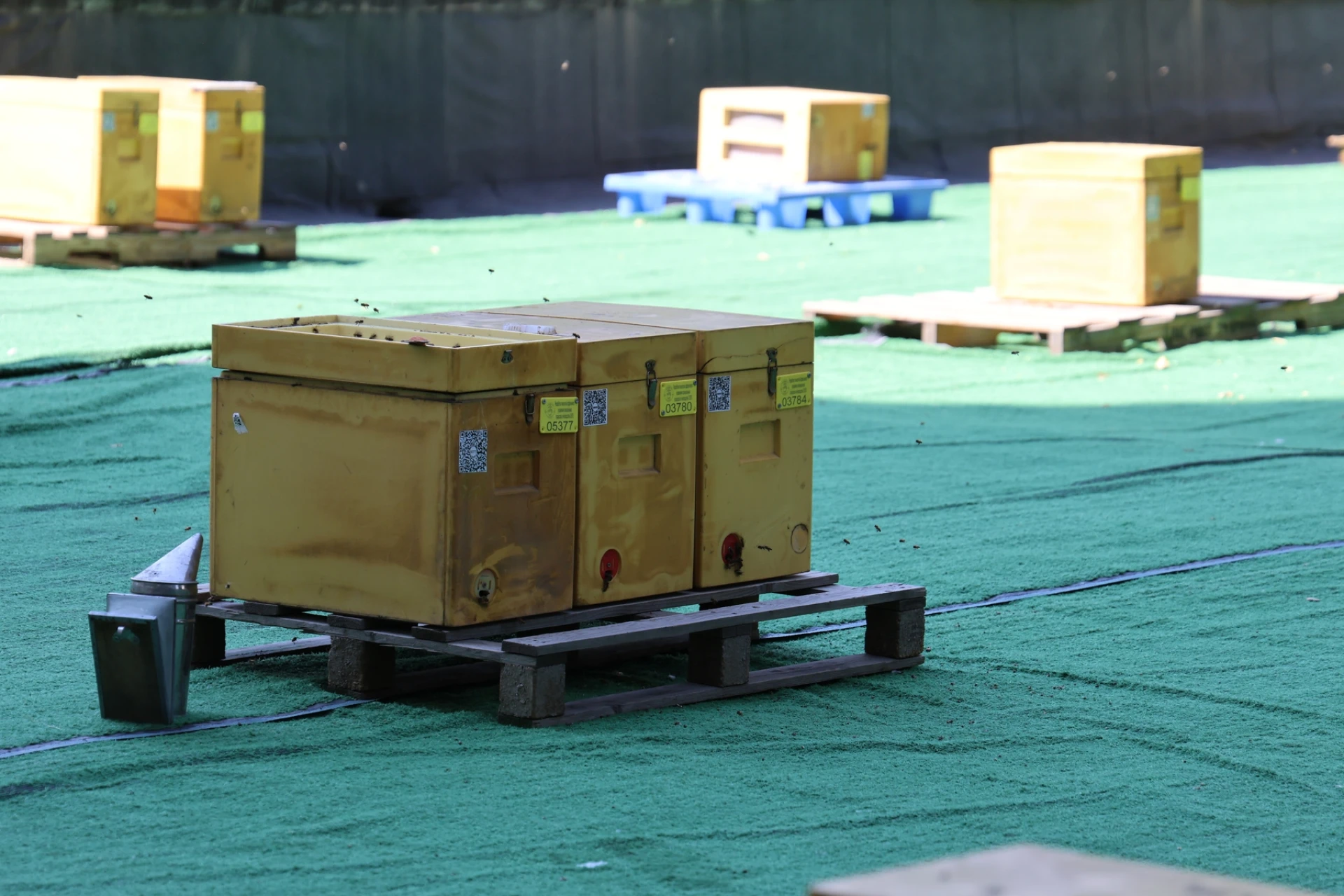
At the quarantine apiary located on the roof of the research institute, specialists from KazNIIZhK conducted a routine veterinary and sanitary inspection of the bee colonies. The work carried out made it possible to assess their health and physiological condition, identify possible signs of infectious and parasitic diseases, and determine the colonies’ readiness for the upcoming winter.
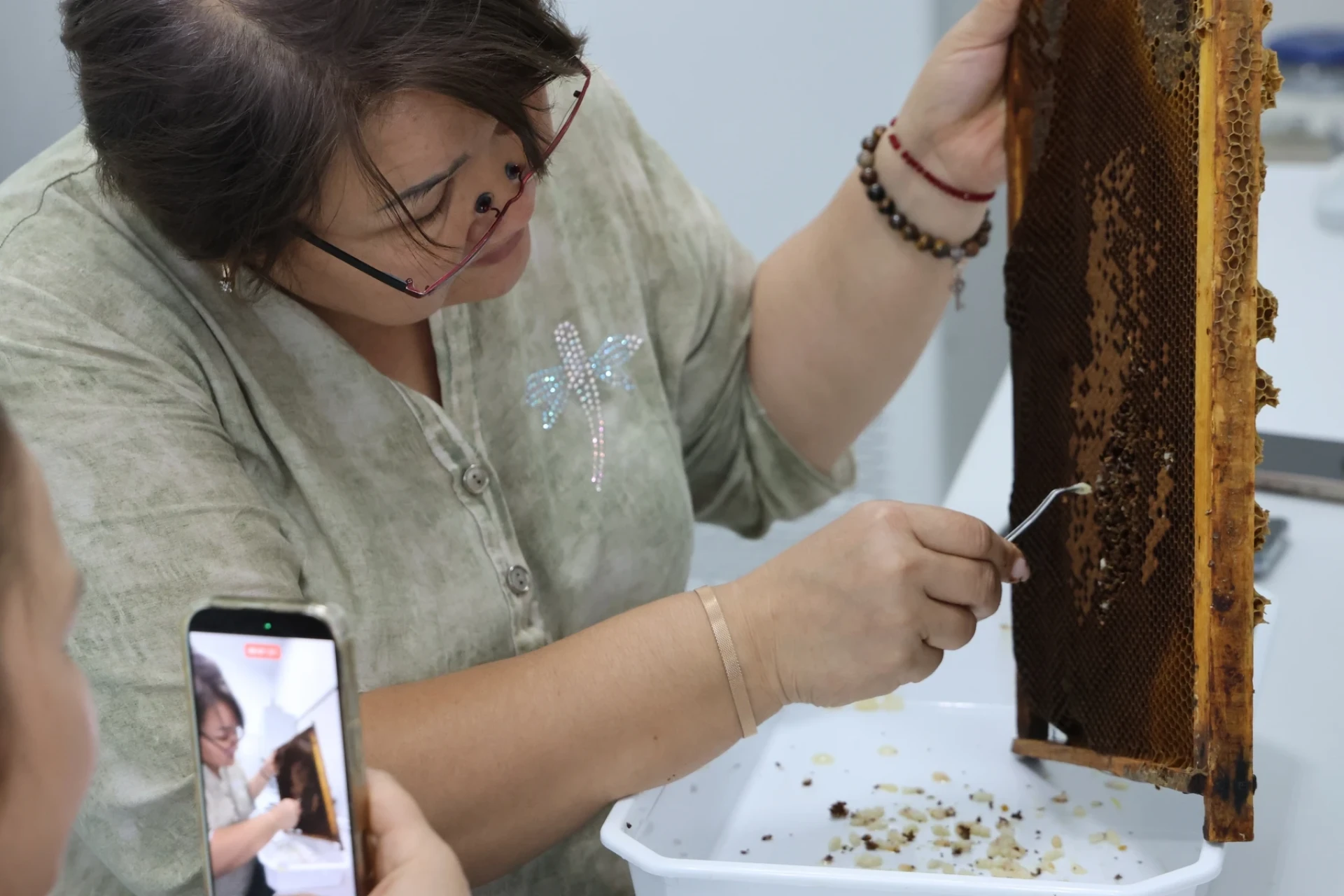
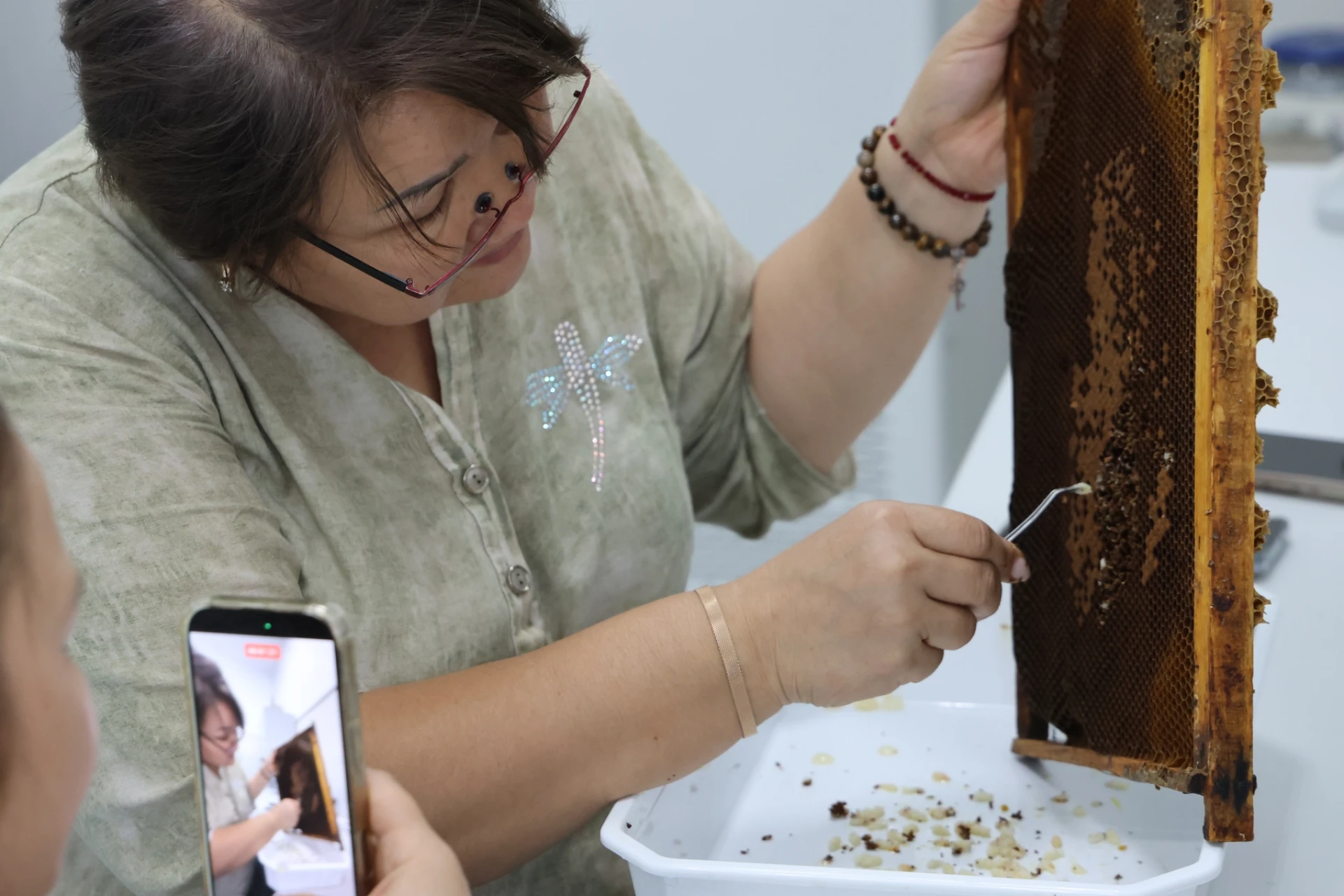
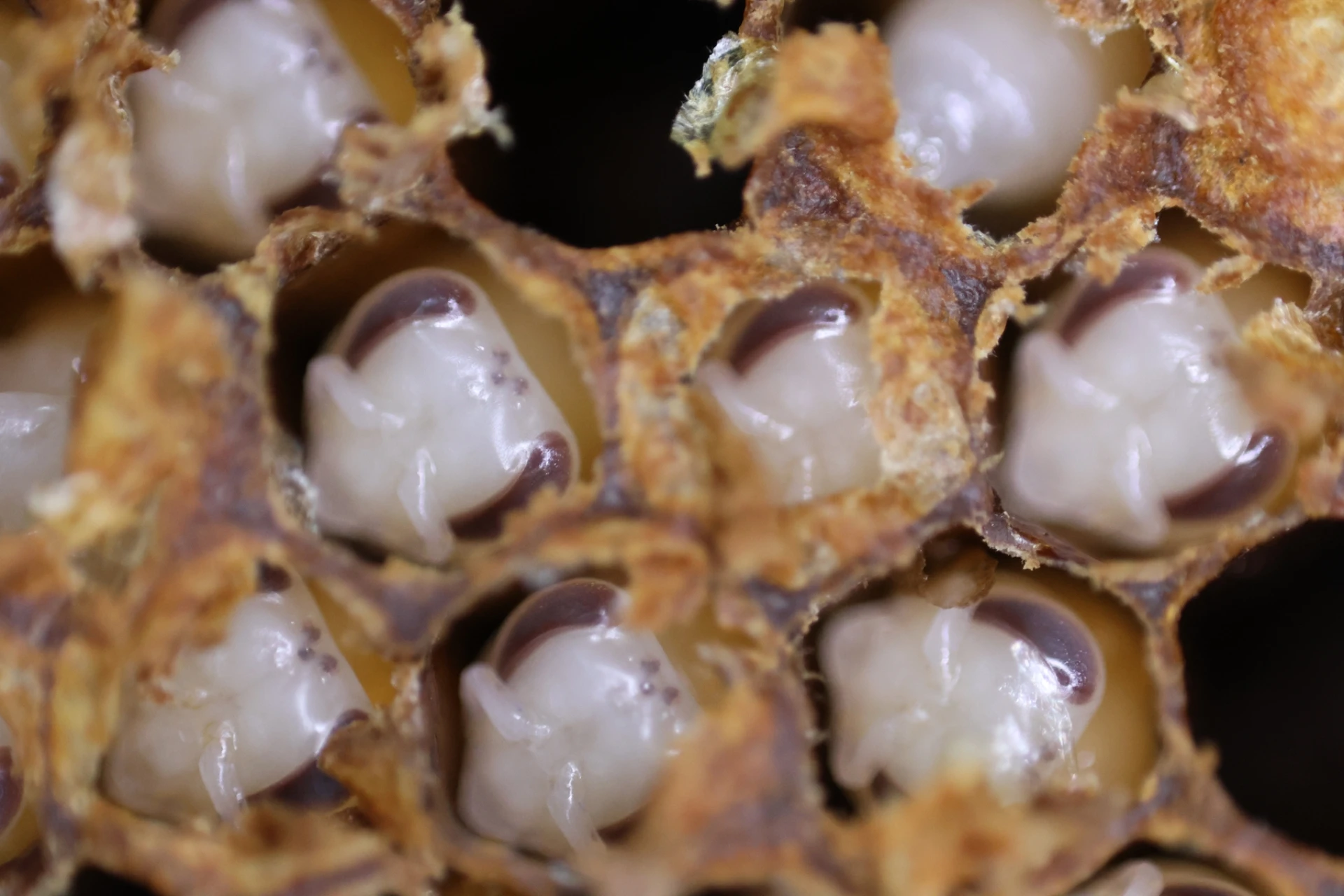
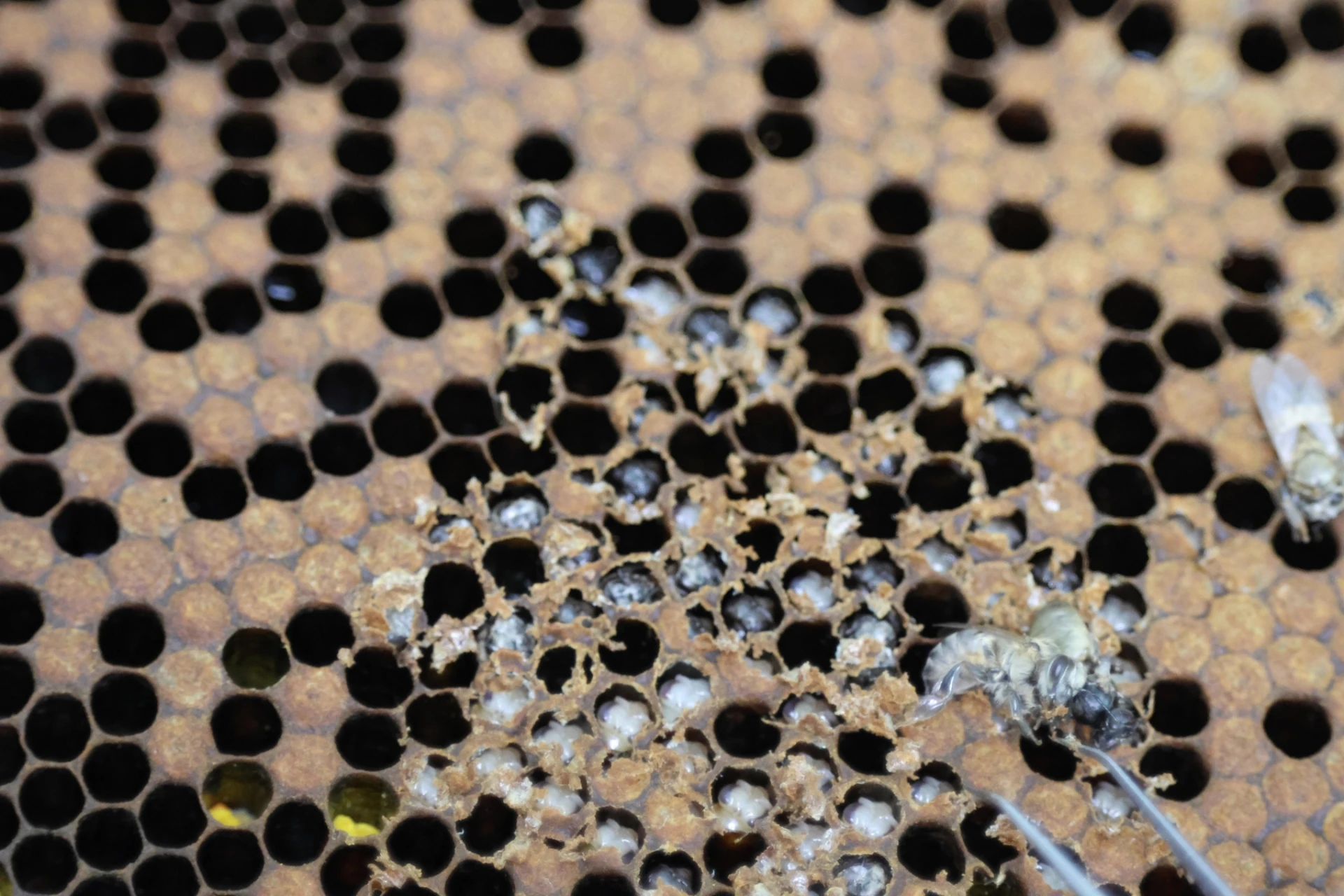
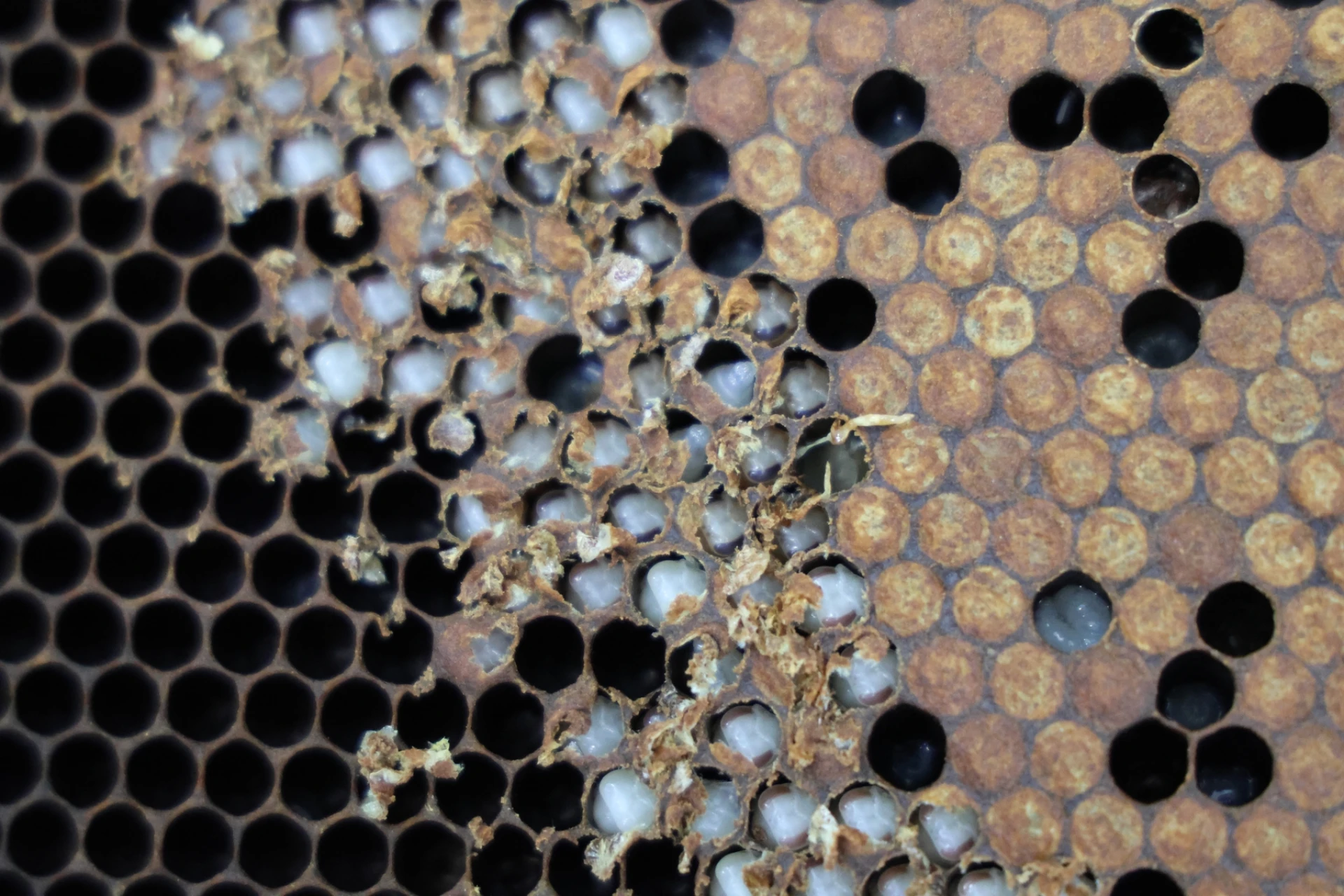
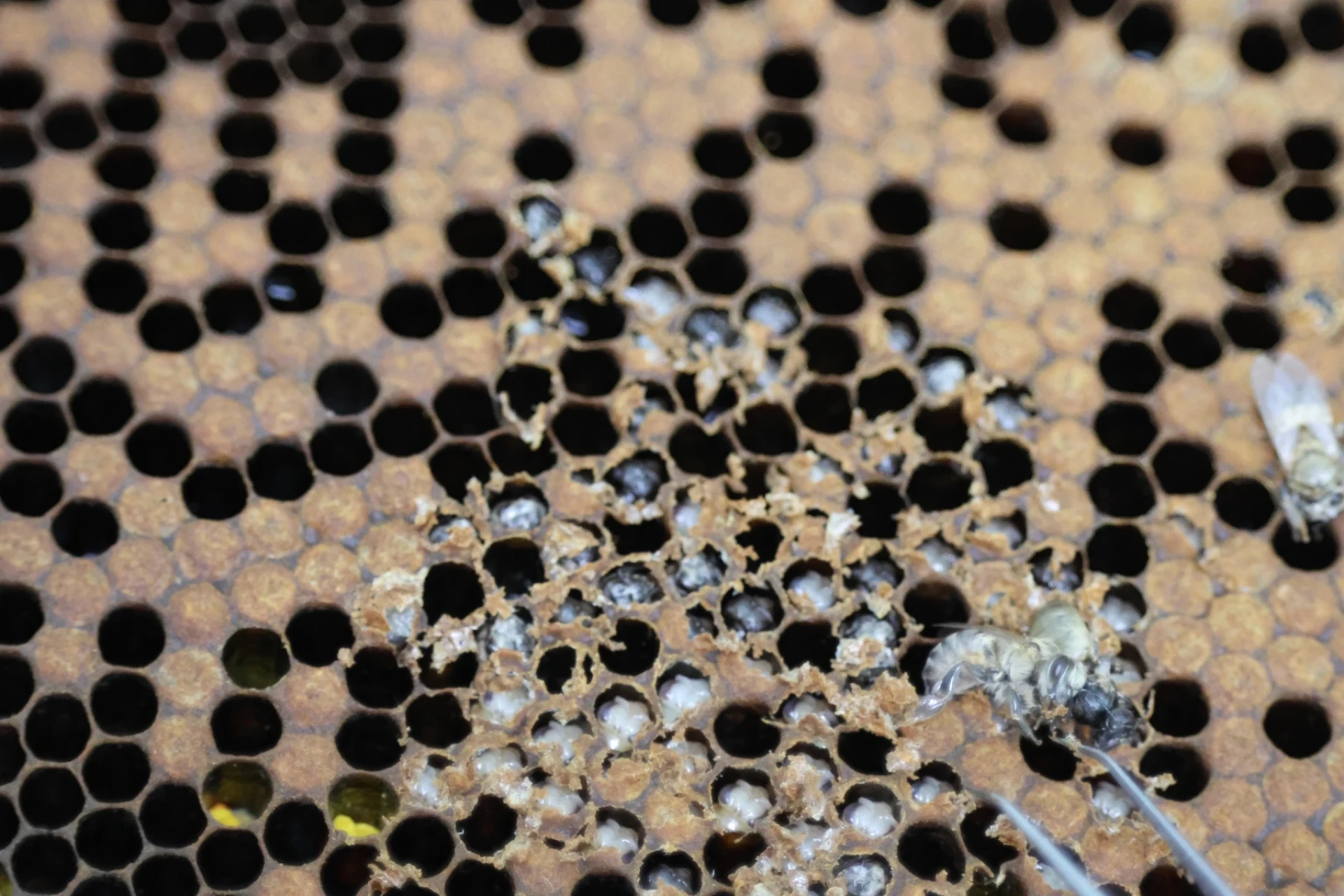
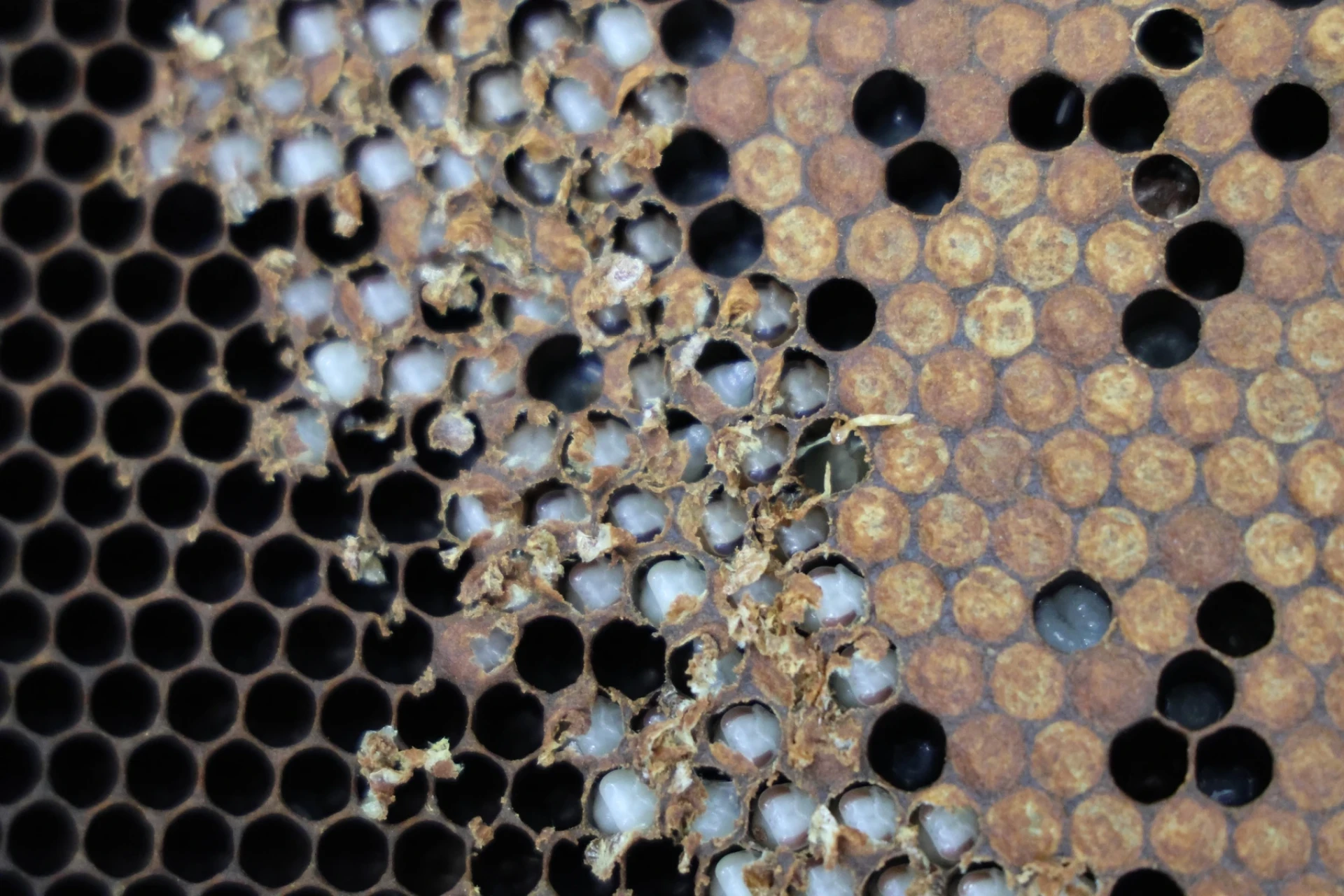
During the inspection, the specialists wore protective gear, systematically opened the hives, removed the honeycomb frames, and conducted a visual assessment of the condition of the bee colonies. Particular attention was paid to the brood, as its appearance and structure are important indicators of the colony’s well-being. The specialists assessed the density and uniformity of the capped brood, the presence of empty and open cells, the condition of the larvae and pupae, as well as the presence of areas showing signs of damage or destruction of the comb.
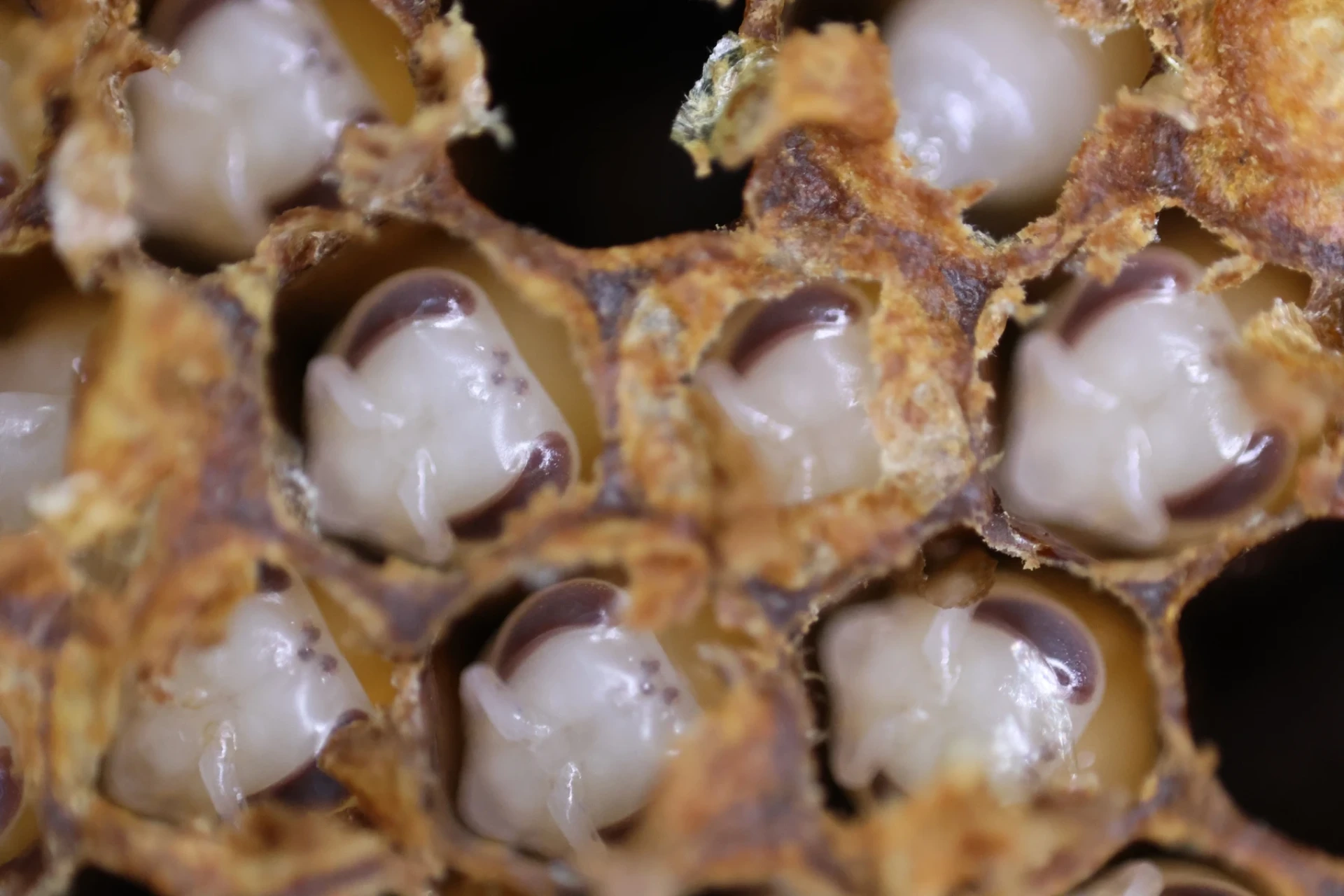
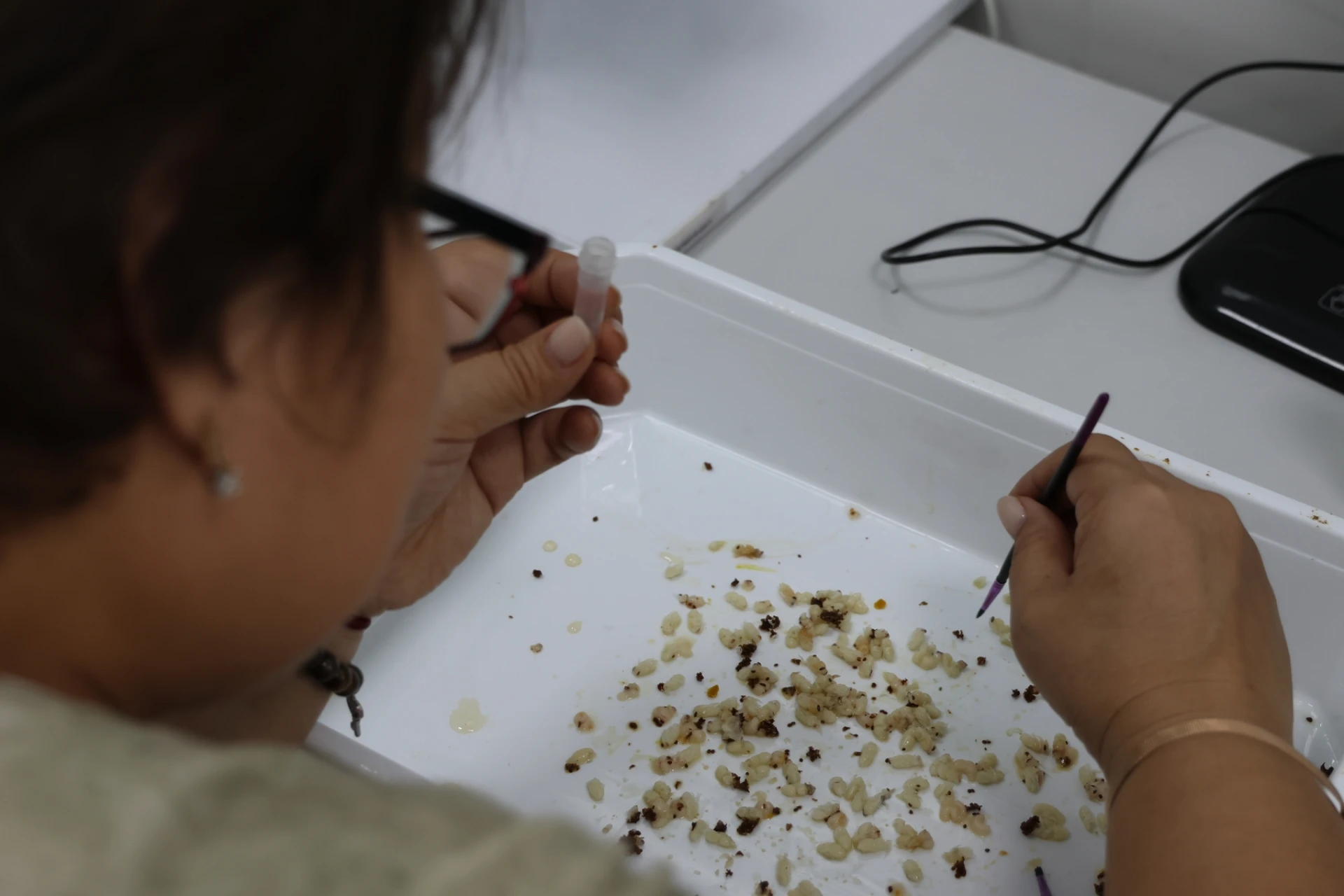
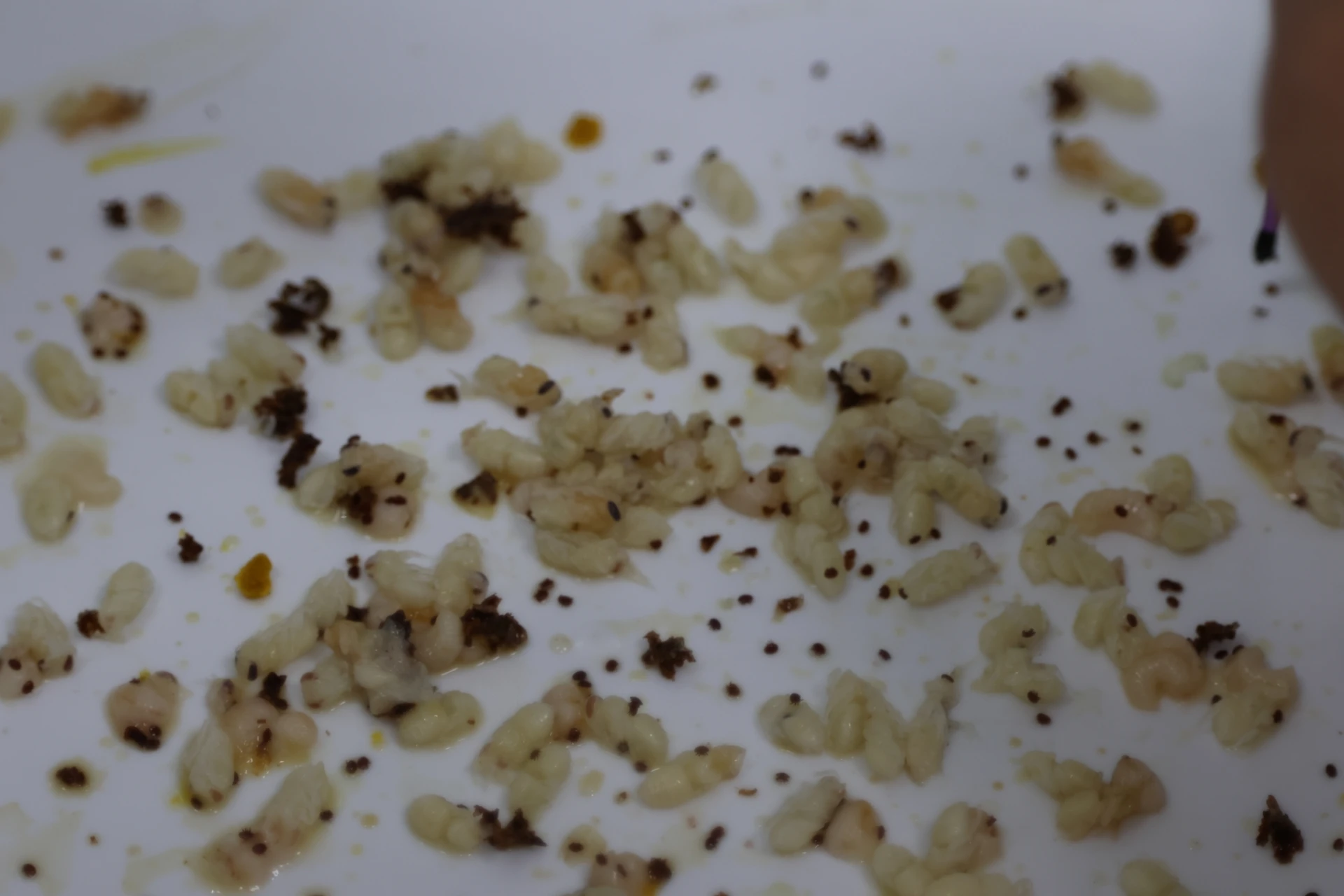
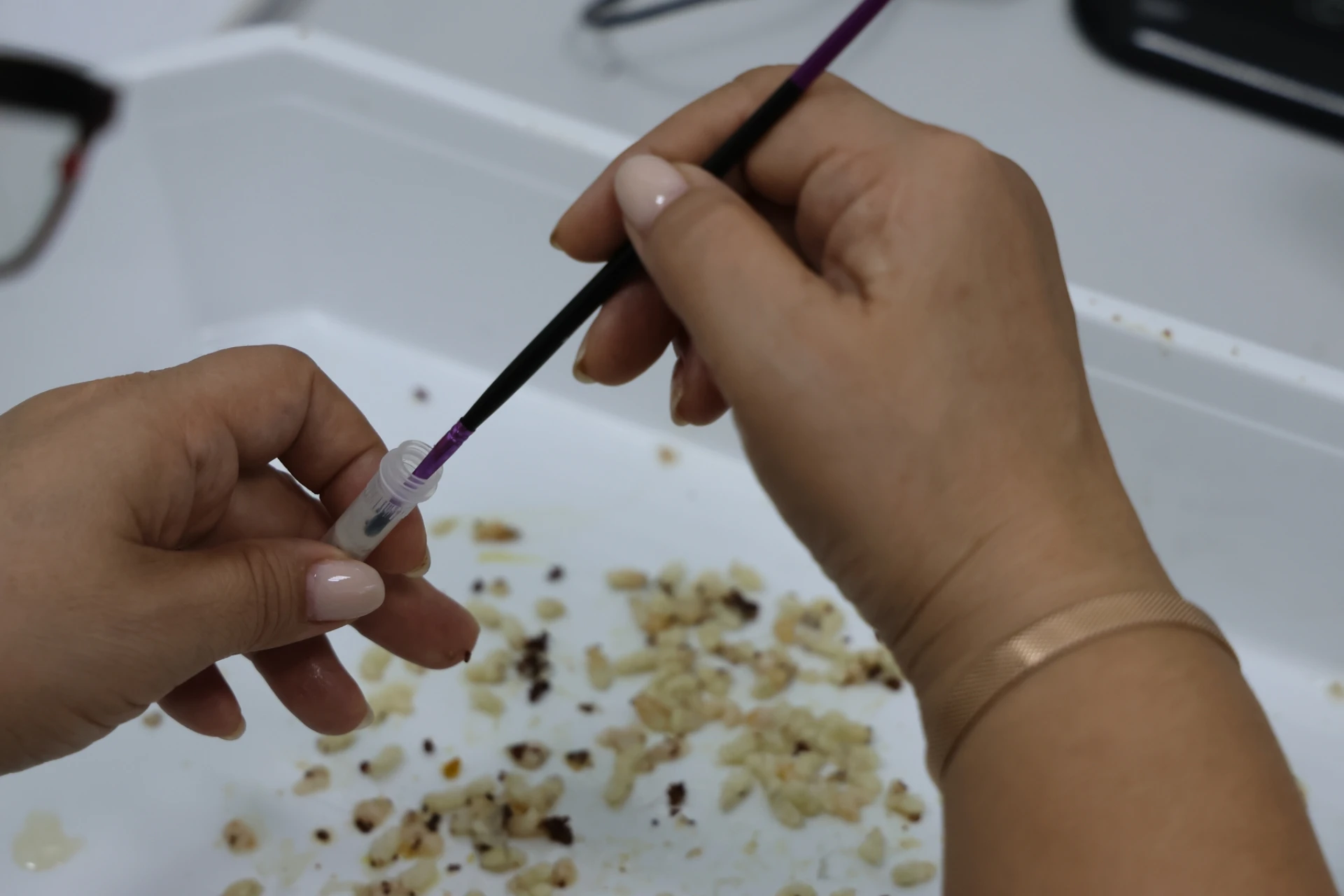
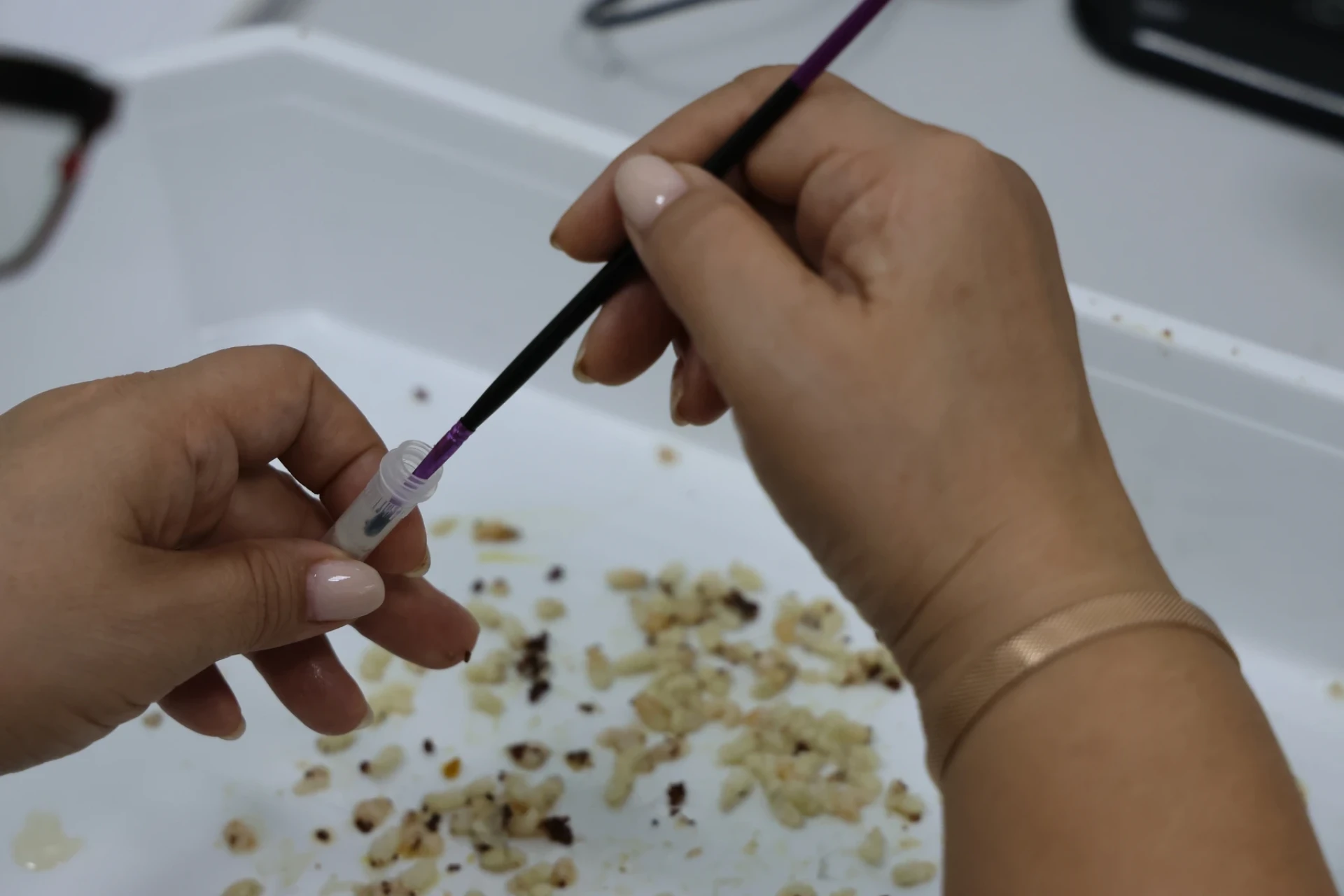
Biological samples were collected to assess the veterinary and sanitary status of the colonies. Using tweezers, specialists collected samples of larvae and pupae from individual cells and sent them to the laboratory for further detailed analysis. Laboratory diagnostics were aimed at identifying possible pathogens of infectious diseases and parasites, including the Varroa destructor mite, which poses a serious threat to the viability of bee colonies.
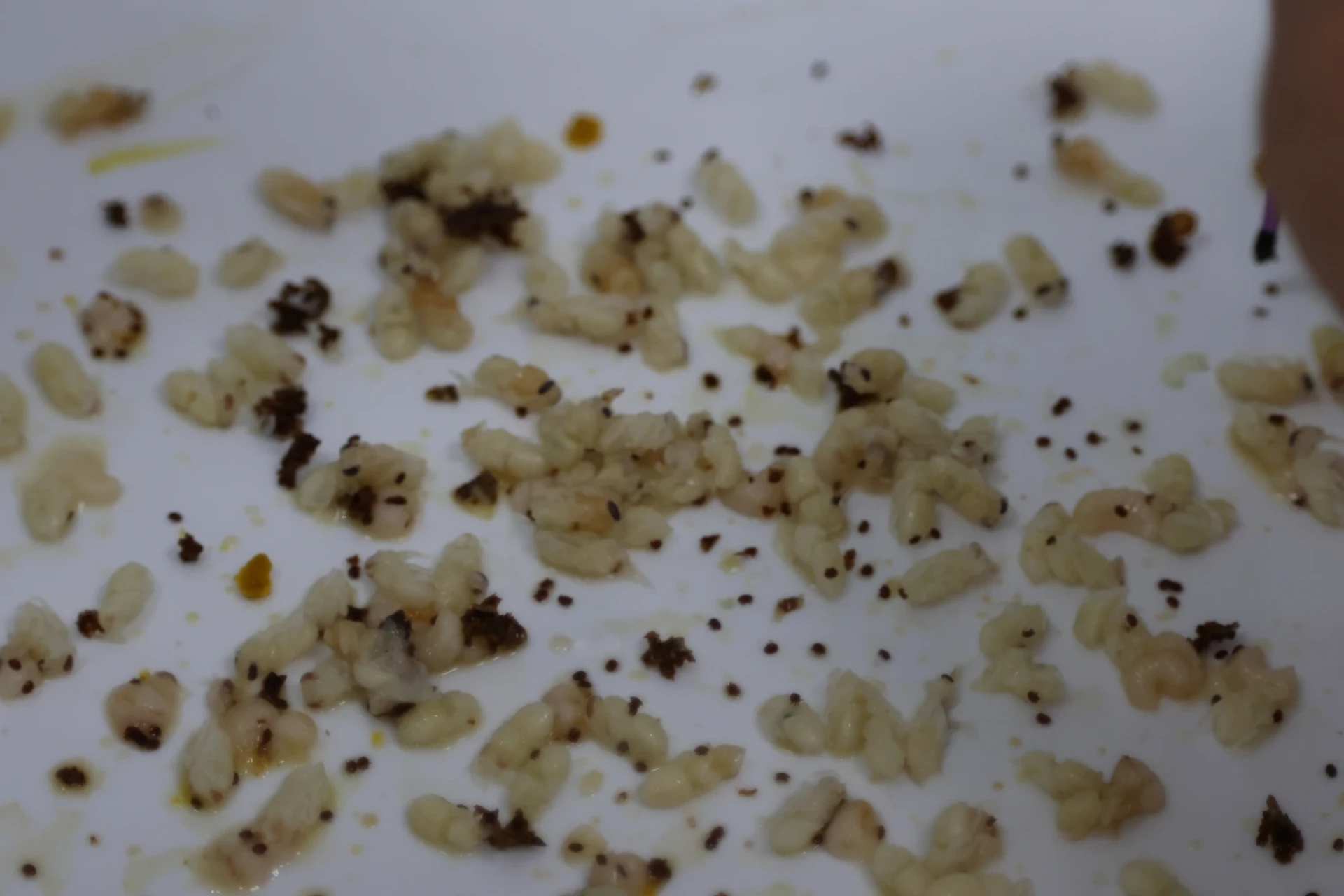
The examination was particularly important in the run-up to winter. Families weakened by illness or a high parasite load have a much harder time coping with the prolonged cold season; therefore, timely diagnosis made it possible to assess potential risks and, if necessary, determine further treatment and preventive measures.
In addition to veterinary and sanitary inspections, specialists carried out a series of tasks to prepare the bee colonies for winter. They assessed the strength of the colonies, the overall condition of the bees, the condition of the queens, the quantity and distribution of food stores, as well as the condition of the nests and honeycomb frames. Where necessary, adjustments were made to the nests based on the strength of each colony to create optimal conditions for forming a winter cluster and maintaining the necessary temperature inside the hive.
Special attention was paid to ensuring that the colonies had an adequate food supply. Experts checked to make sure there were sufficient food reserves and that they were properly distributed within the hive. This is especially important during the winter, when the bees form a tight winter cluster and use their food reserves to sustain themselves and maintain the necessary temperature inside the hive.
The sanitary condition of the hives, flight holes, and combs was also checked, and the ventilation conditions and the colonies’ protection against adverse weather conditions were assessed. In preparing for wintering, specialists took into account the need to prevent excessive moisture inside the hives, since dampness during the winter can negatively affect both the condition of the bees and the preservation of their food stores.
The quarantine apiary allowed for the examination of bee colonies under controlled conditions, the prompt collection of necessary biological samples, and the gathering of data for further laboratory diagnostics. This approach made it possible to comprehensively assess the condition of the colonies and minimize potential risks of the spread of infectious and parasitic diseases.
As a result of the work carried out, the bee colonies were prepared for wintering. A comprehensive veterinary and sanitary examination, an assessment of the brood’s condition, laboratory testing, an inspection of food stores, and the preparation of the hives made it possible to create the necessary conditions for the colonies to successfully survive the winter.
These measures were an important part of KazNIIZhK’s systematic efforts to maintain the health of bee colonies, improve veterinary and sanitary controls, and ensure the biological safety of beekeeping. The results obtained will be used for further monitoring of the colonies’ condition and to assess the success of their overwintering.
Photo and video